Curling Tomato Leaves? Here's What to Know!
(Updated: Feb. 13, 2026, 3:56 a.m.)
Tomatoes are probably the most popular vegetable crop to grow. People probably ask more questions about tomatoes than about any other vegetable crop. Most years, the most common question about tomatoes from gardeners has been “Why are my tomato leaves curling?” Like many questions in gardening, this has more than one answer.
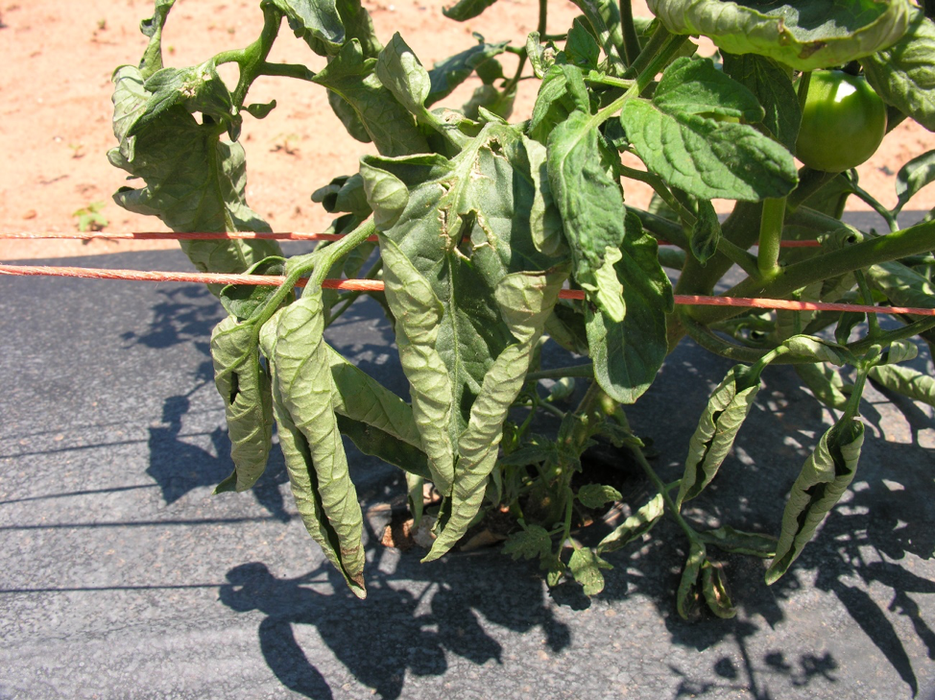
If tomato leaves are curling due to environmental factors, usually the older leaves will show signs first. Leaves will bend upward and leaflets will curl inward. Leaflets may look thick and leathery.
Variety
The degree of curling depends on the tomato variety. Heirloom varieties may have more leaf curl than hybrid tomatoes. Indeterminate varieties often show more leaf curl than determinate varieties.Insect Damage
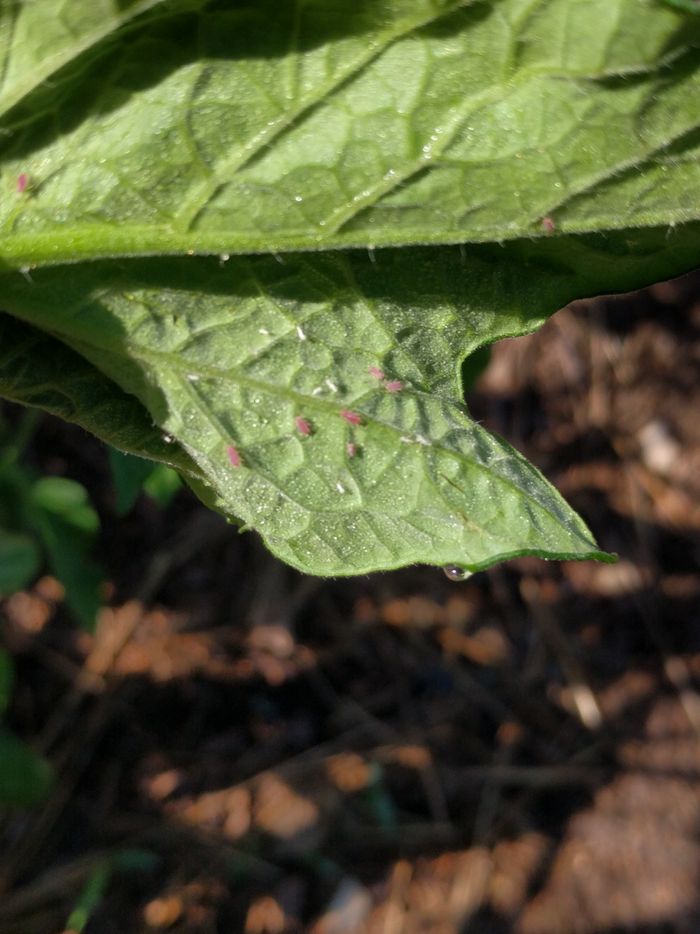
Tomatoes may also show curled leaves from insect damage. Heavy feeding by aphids may cause the leaves to curl, as the insects suck plant juices out of the leaves. Look on the undersides of leaves to find the insects. Use insecticidal soap to control infestations of aphids.
Herbicide Drift or Contamination
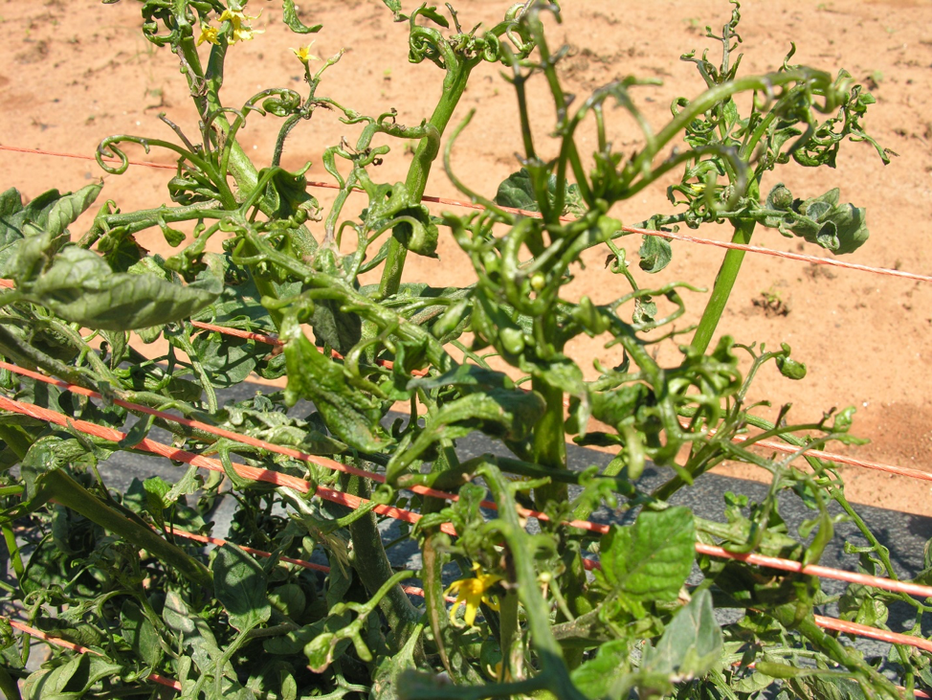
A less common reason for curling tomato leaves is herbicide drift or contamination of compost by herbicide residue. It’s easy to understand how herbicide drift can happen. Your neighbor sprays a weed killer, or possibly you spray it yourself. Maybe there’s a slight breeze, or the area that is sprayed is just a little too close to your vegetable garden. Herbicide residue drifts over to the tomato plants, and the plants are damaged.
However, another way for herbicide damage to happen is through contaminated compost or yard clippings. Lawns and pasture grasses are often treated with herbicides. The herbicides can still be present in grass clippings from treated lawns and even in manure from animals that have eaten the treated pasture grass. If these grass clippings and manure are incorporated into compost, there can be herbicide carryover. Plants grown in soil amended with the compost may exhibit abnormal growth and be stunted.
Tomato plants damaged by herbicide will often have twisted growth. Leaves will roll downward. The stems may turn white and may even split. Damage is often more noticeable on new growth. Sometimes the tomato plants can grow out of the damage and produce normally. But if tomato plants are been subjected to a high dose of herbicide, then they may never recover and should be discarded.
How do you tell the cause of the damage? If you suspect herbicide damage due to carryover in compost, the simplest way to diagnose this is by doing a bioassay. You will need a sample of the compost, potting soil, pots, and either tomato transplants or tomato seeds to do a bioassay.
Mix the compost with potting soil and fill half the pots with the mixture. Fill the remaining pots with potting soil only. Label the pots so you know which have compost and which have only soil. Plant the tomato transplants or tomato seeds in the pots and place them in a sunny window. Keep watered and monitor the germination of the seeds or the growth of the plants. Let the plants grow for about three weeks and evaluate their growth. If the plants that are grown in the potting soil-compost mixture look twisted, stunted, or discolored while the plants grown in only potting soil look healthy, there is a good chance that your compost has herbicide carryover.The Good News!
The good news is that eventually, the herbicide will break down. You can leave fallow the garden beds with the compost incorporated into the soil for a growing season or two. Or you can rotate those areas into a crop that is less sensitive to the herbicide, such as kale or turnips. Tomatoes, cucumbers, spinach, and beans are the vegetable crops most sensitive to herbicides. You can also keep the area in a cover crop for a season or two.Join our mailing list!
Enter your email address to receive updates.
Written By